SDCC 2026 | ISBCD Panel Reveals the Hidden Art of Designing Costumes That Survive the Action
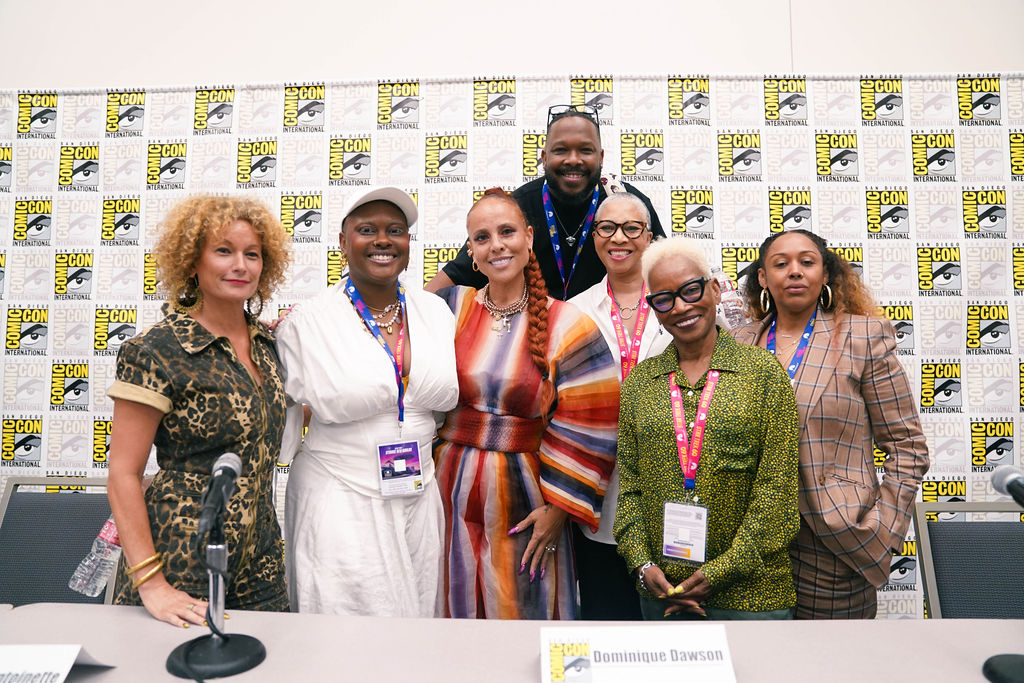
photo credit Kalynn Youngblood
What happens to a costume after the hero crashes through a window, rolls through the mud, catches on fire, or gets drenched by a rain machine?
That's the part audiences rarely think about.
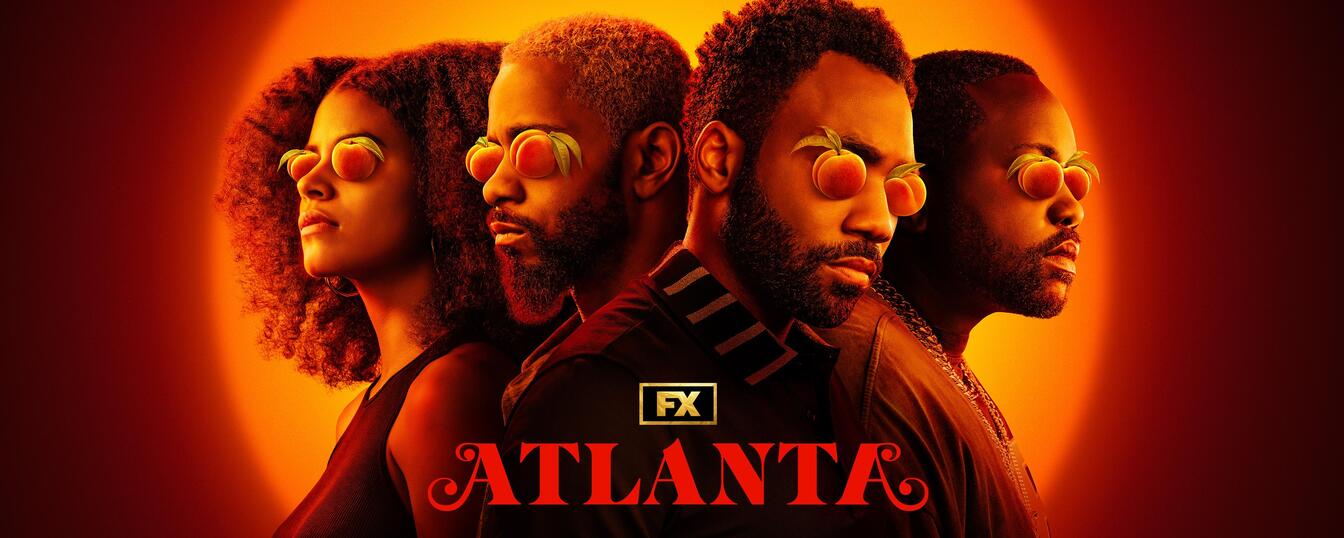
At San Diego Comic-Con, the International Society of Black Costume Designers (ISBCD) hosted one of the convention's most insightful craft panels, Designing Costumes That Survive the Action. Moderated by renowned costume illustrator Philip Bouté (Black Panther, Black Panther: Wakanda Forever, Sinners, Coming 2 America), the discussion brought together costume designers Trayce Gigi Field (Spider-Noir, Spaceballs 2), Charlese Antoinette (Children of Blood and Bone, Judas and the Black Messiah, Air), Dominique Dawson (Him, Swarm, Chad Powers, The 'Burbs), Antoinette Messam (The Bluff, The Harder They Fall, The Book of Clarence, Secret Headquarters), Jennifer Bryan (Breaking Bad, Better Call Saul, The Acolyte, Percy Jackson and the Olympians), and Tiffany Hasbourne (Shadow Force, Atlanta, Ballers). Together, they pulled back the curtain on the immense amount of planning, engineering, and problem solving required to create costumes that survive explosions, water, dirt, blood, fire, and any other surprises that inevitably show up on an action set.
The biggest takeaway? Two words came up again and again throughout the hour: multiples and anticipation.
The Costume You Never See
Much of a costume designer's work is invisible. Viewers notice the finished look but rarely think about what happens when that look has to be destroyed, repaired, soaked, burned, or duplicated dozens of times.
Tiffany Hasbourne explained that an action scene often requires far more costumes than audiences would ever imagine. An actor may have a principal costume, but there are also stunt doubles, photo doubles, and even dummy costumes for visual effects work. Add different levels of dirt, blood, tears, and damage, and suddenly one outfit becomes an entire wardrobe.
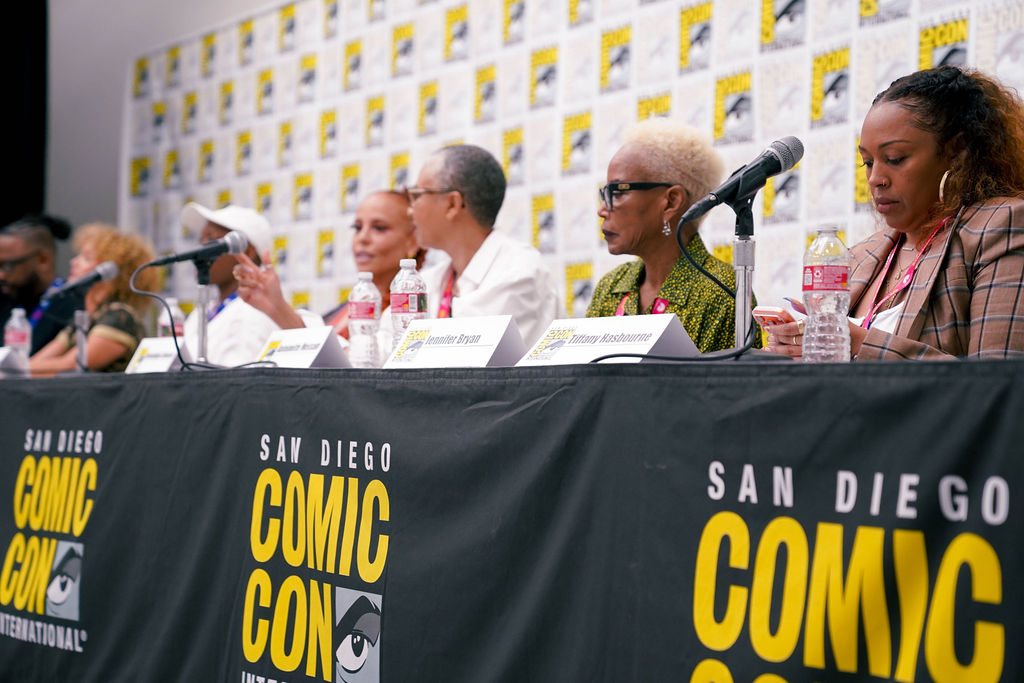
photo credit Kalynn Youngblood
How many versions do you need? That depends on how many takes the director wants, how many resets are required, and how much damage occurs during filming.
Of course, productions never go according to plan. Sometimes a director changes their mind at the last minute, or an actor decides to throw themselves into the dirt because it feels more authentic. Suddenly every stunt double has to match that spontaneous performance, including the new dirt patterns and damage.
 Star Wars The Acolyte
Antoinette Messam laughed that costume departments have to "cover their ass" by keeping backups whenever possible, while also knowing when to push back. If only three clean costumes remain, production needs to know they only have three more takes.
As she put it: clothes don't come out of thin air.
Blood Is an Entire Department
Dominique Dawson described blood work as one of the biggest continuity challenges in filmmaking.
Every blood splatter must match from take to take, particularly when reshoots are involved. Silicone masks, custom prosthetics, and specialty costume pieces can become permanently stained, requiring careful planning before cameras even roll.

Him
Even the weather becomes an obstacle. Temperature changes affect the consistency and appearance of fake blood, forcing costume teams to troubleshoot constantly to maintain continuity.
Jennifer Bryan echoed the importance of environmental planning. On Percy Jackson and the Olympians, excessive blood was never the concern, but water certainly was. Percy spends much of the series diving into rivers, mud, and rain while the show films over several months with constantly changing weather.
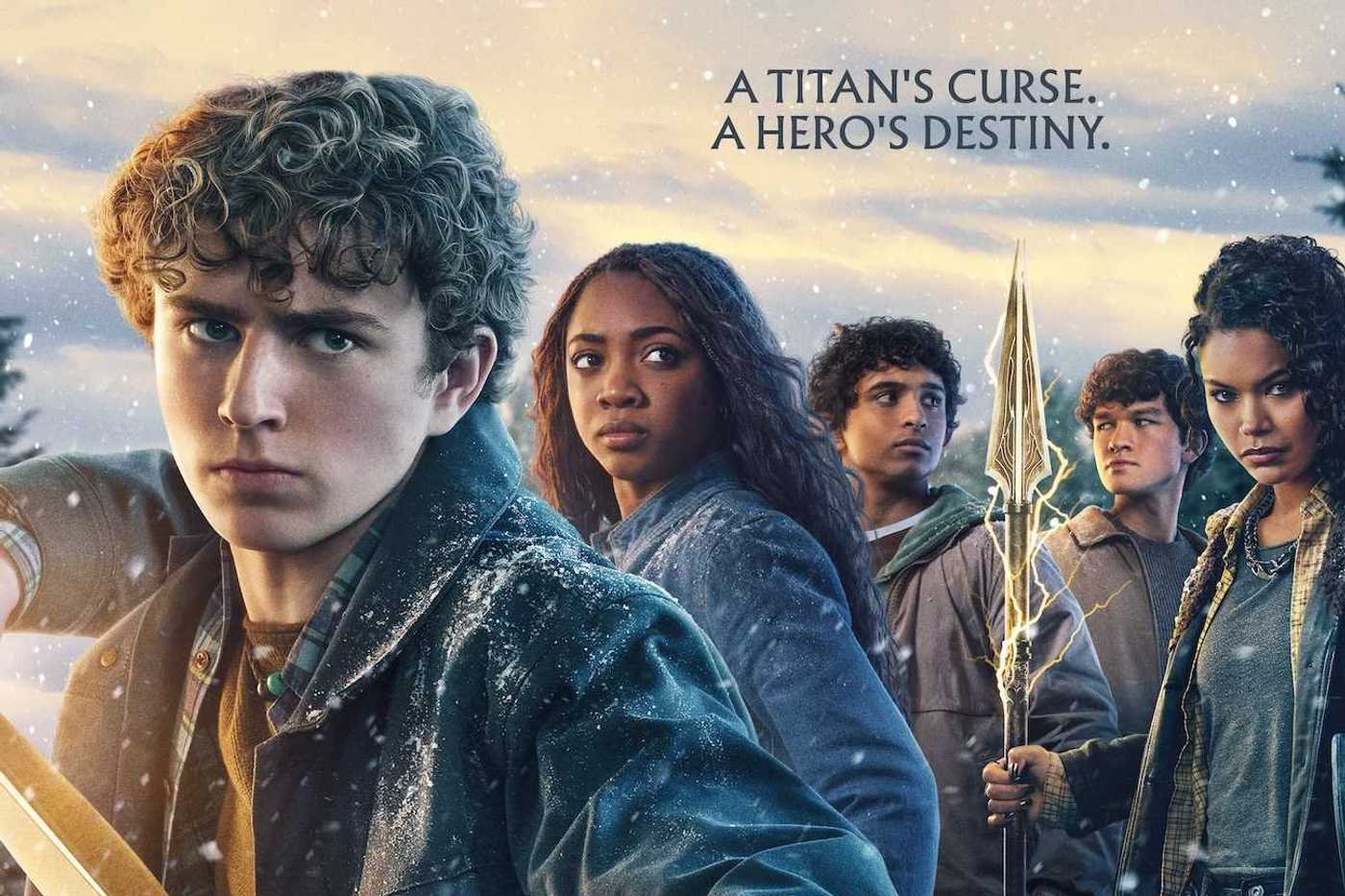
Percy Jackson and the Olympians
Sometimes locations or even seasons change in the script with very little notice. Preparation, Bryan said, is simply part of costume work.
Water Never Cooperates
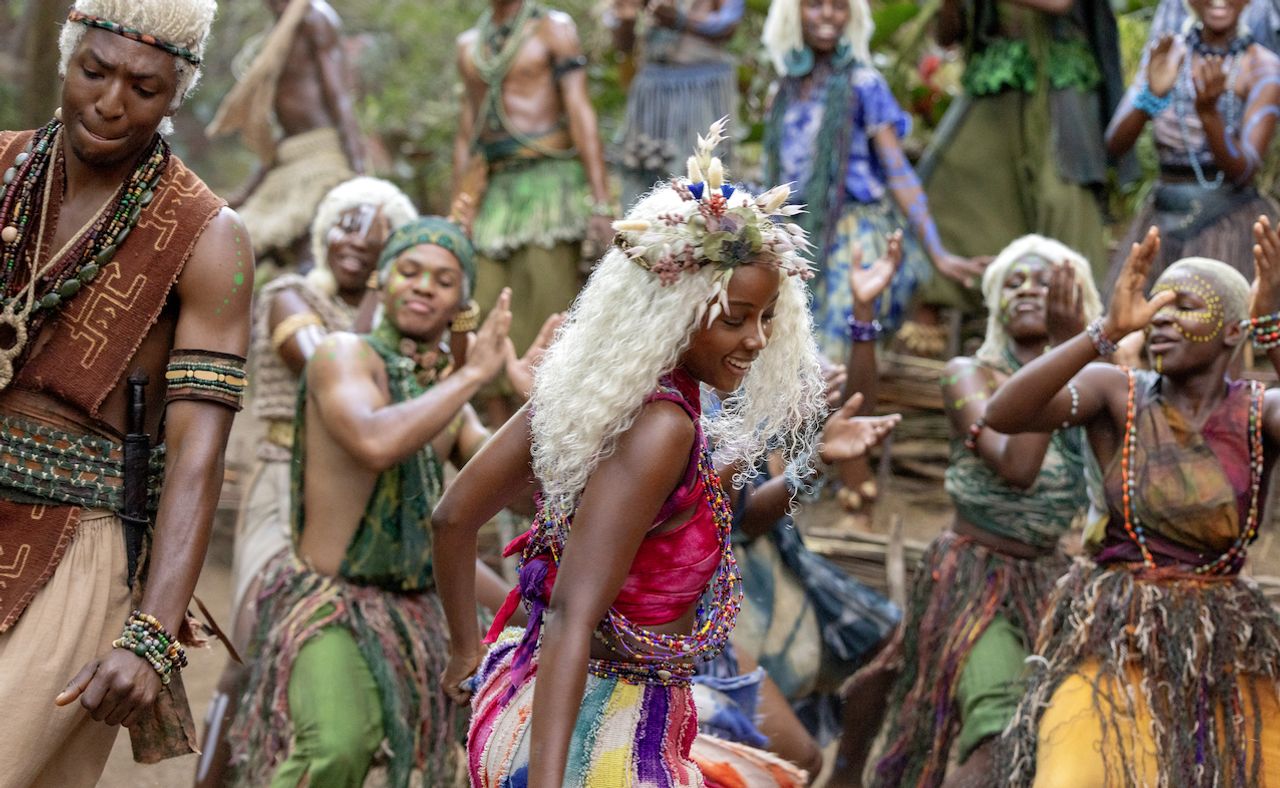
Charlese Antoinette recalled filming Children of Blood and Bone on location in South Africa, where rivers, rock quarries, dust, and constantly changing environments challenged every department.
:max_bytes(150000):strip_icc()/blood-and-bone-8-ef21eee81e1344aea7868c7593d557d5.jpg "‘Children of Blood and Bone’. Credit: Paramount")
Children of Blood and Bone
Because the story takes place in a historical fantasy setting, nearly every costume was custom built, from earrings to shoes, making duplicates expensive and time consuming. The team relied on multiples whenever possible while constantly cleaning garments on the fly and protecting actors with ponchos between takes.
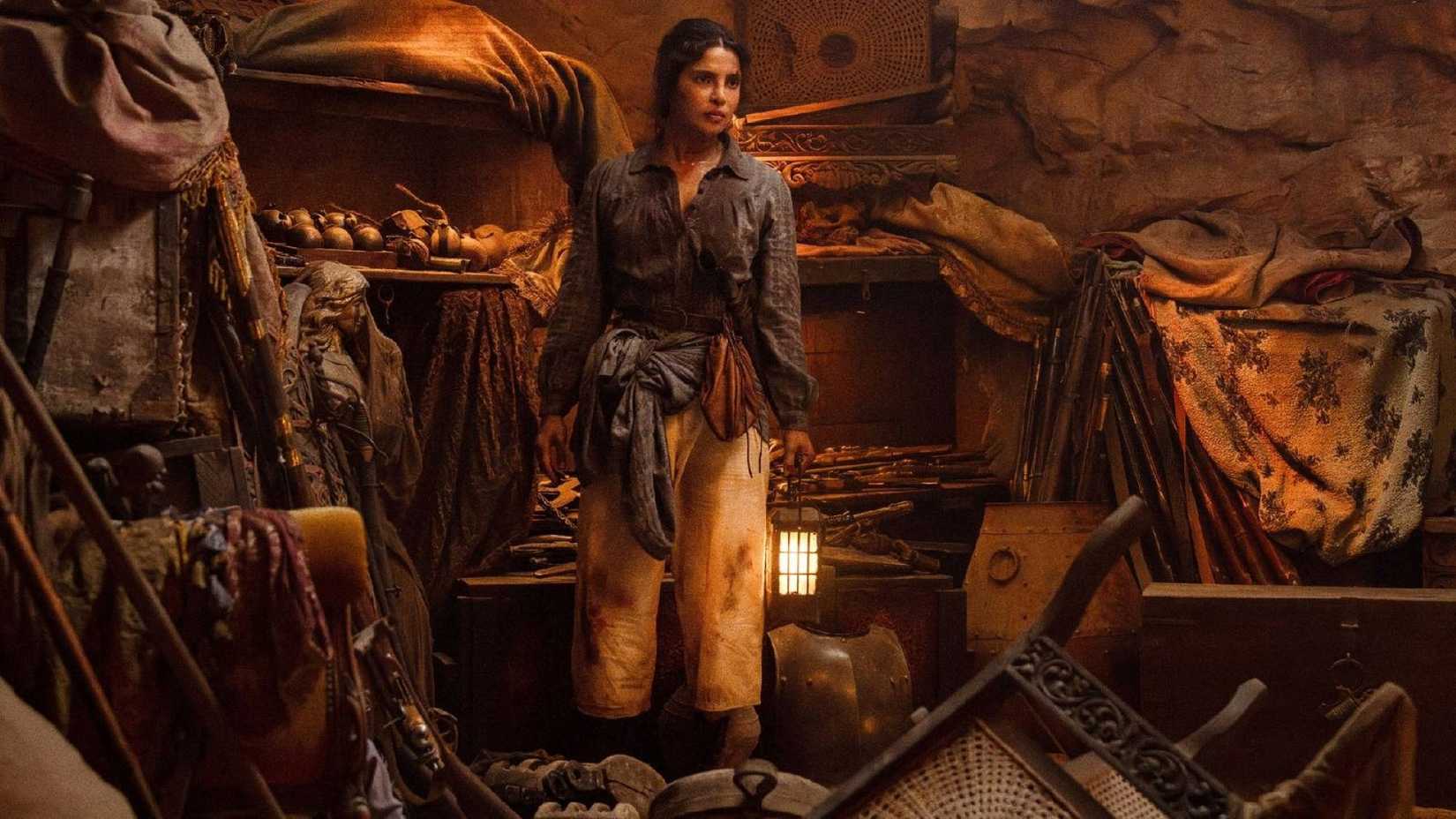
Antoinette Messam shared an equally chaotic story from The Bluff. One production featured two separate units filming simultaneously: one shooting rain sequences while the other remained completely dry.
The Bluff
Actors bounced between both sets, requiring wet costumes, dry costumes, stunt versions, overnight drying, emergency stitching, and an entire costume operation running out of a parking lot.
"It looks great," she admitted, "but it's a lot of coordination."
Clear communication with assistant directors became just as important as sewing skills. Costume departments need to know exactly what production expects because surprise changes can quickly become impossible to deliver.
Again, the same mantra: anticipation, communication, and multiples.
Spider-Noir's Hidden Engineering
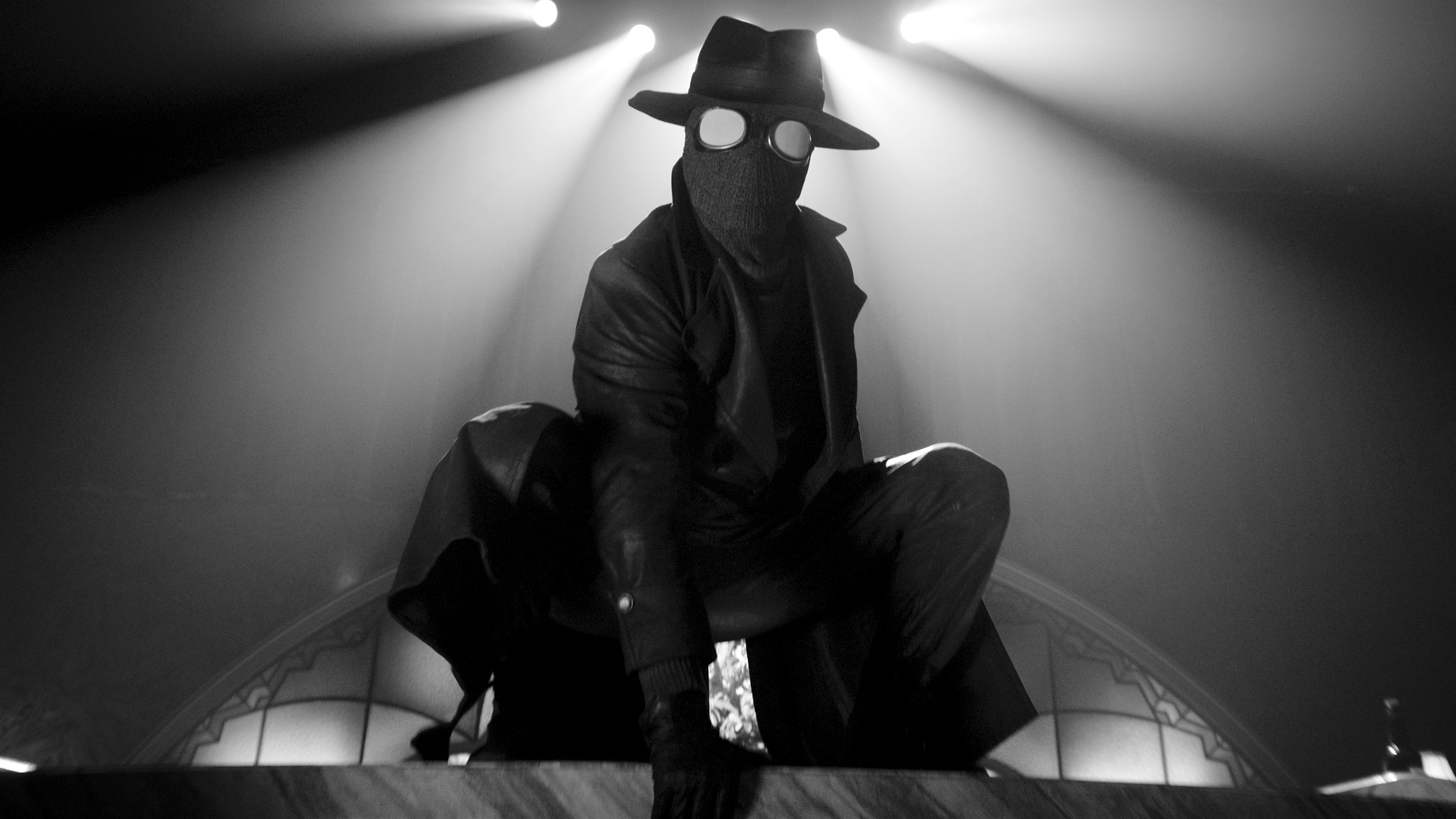
Trayce Gigi Field offered a fascinating look inside the new Spider-Noir series starring Nicolas Cage. Creating the first live action Spider-Noir costume meant sometimes sourcing specialty materials from around the world.
Spider Noir
Then came the real challenge.
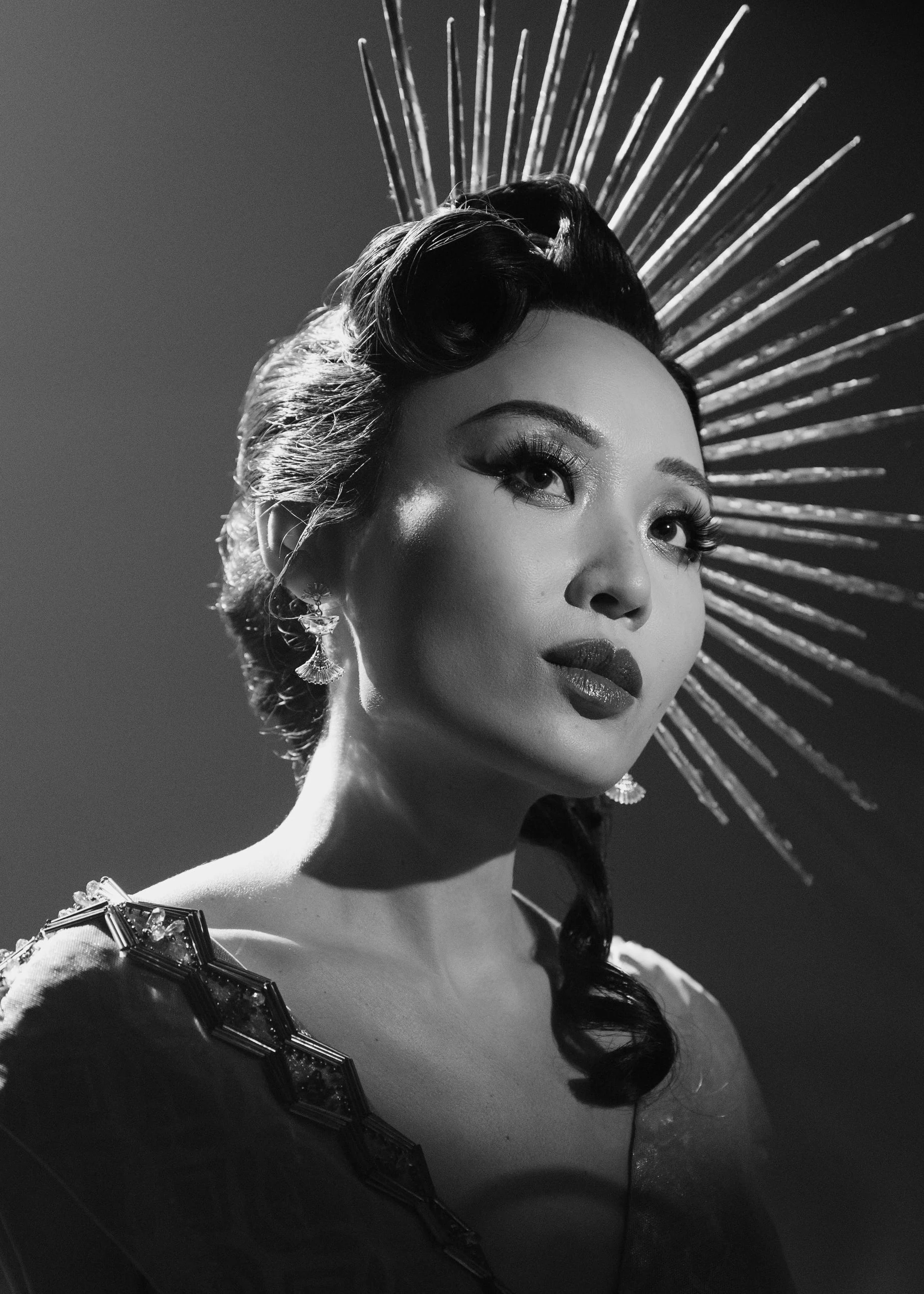
The production built eight Spider Noir suits. Each costume also concealed carefully engineered features invisible to audiences. Hidden stretch panels allowed movement, concealed zippers gave access to harnesses, and specially designed openings allowed stunt rigs to pass through the costume while remaining invisible on camera. The stunt department required separate doubles for driving, fighting, flying, and jumping, each with unique physical requirements. Those tiny construction details are among the many secrets audiences never notice.

Spider Noir.
Field also shared one of the panel's "funniest" production stories. Spider-Noir was originally supposed to be shot only in black and white. Two weeks into production, the creative team decided the series would also be filmed in color.
Every department suddenly had to rethink everything.
Costumes, fabrics, trims, notions, and textures all had to be camera tested indoors, outdoors, in daylight, at night, in monochrome, and in color. Materials that looked spectacular in black and white sometimes failed completely once color photography entered the equation.
Safety Comes Before Style
Several panelists emphasized that costume design is also stunt safety.
While working on Shadow Force in Colombia, Tiffany Hasbourne discovered local suppliers simply didn't carry the larger clothing sizes needed for American stunt performers. She ended up flying to Miami to shop for the stunt team herself.

Shadow Force
She also described working closely with Kerry Washington in her first role as an action star, highlighting Kerry's close relationship and loyalty to her stunt double. The costume department had to balance the creative goals with the practical need to protect both the actor and her stunt doubles during the action scenes.
Designers constantly negotiate between actors, directors, and stunt coordinators while ensuring everyone's safety.
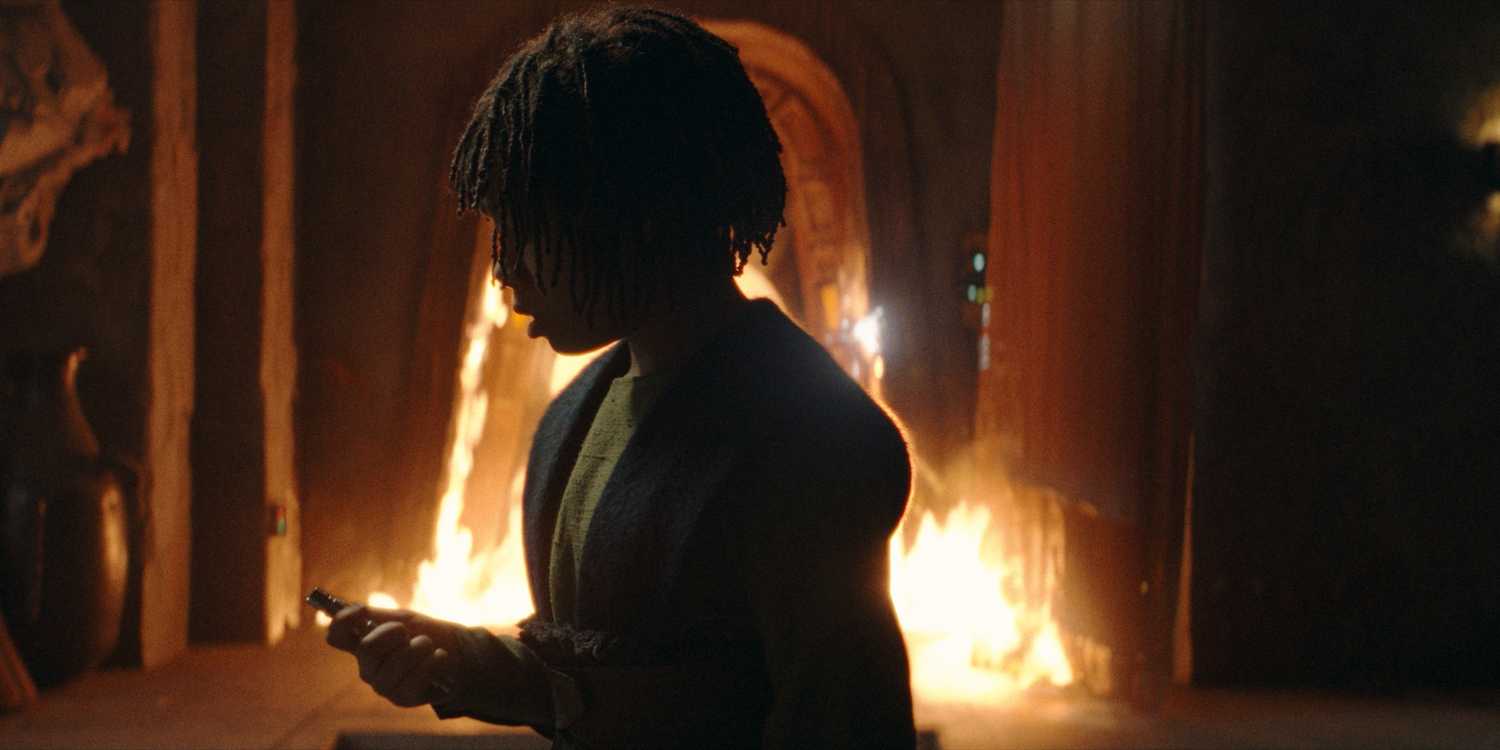
Jennifer Bryan noted that safety extends beyond pads and braces. Fabric selection is equally important. Materials must be tested for fire resistance and stunt compatibility.
Star Wars The Acolyte
On one production, a newly added fire stunt forced the costume department to completely recreate a costume that had already appeared on camera because its polyester construction was no longer safe for the stunt double.
Sometimes audiences never notice these changes. And that's exactly the point.
Representation Matters Behind the Camera Too
The conversation also addressed the industry's continuing lack of diversity among stunt performers.
Dominique Dawson described situations where Black actors were doubled by white stunt performers, forcing departments to rely on gloves, careful camera framing, and makeup to hide exposed skin, a reality that left many members of the crew uncomfortable.
She encouraged designers to speak up when those situations arise, even if they technically fall outside their department.

Children of Blood and Bone
Charlese Antoinette echoed that concern, explaining that she encountered similar situations.
Costume Departments Are Entire Companies
While audiences often associate costume design with one individual, the panel reminded everyone that a costume department can include dozens or even hundreds of craftspeople.
Charlese Antoinette described leading a team of roughly 100 artists on Children of Blood and Bone. Shoemakers, jewelers, armor makers, hand beaders, dyers, aging specialists, and background costume teams all worked simultaneously to build the world of the film.
Children of Blood and Bone
"You become the CEO of a Fortune 500 fashion brand," she explained. "You're the visionary and the architect, but your team makes that vision happen."
Dominique Dawson added that some of her favorite collaborations have been with Indigenous artists and fine artists whose traditional techniques helped shape the storytelling itself.
Even Bathroom Breaks Are Costume Design
The audience couldn't resist asking one practical question : how do actors wearing elaborate superhero costumes go to the bathroom?
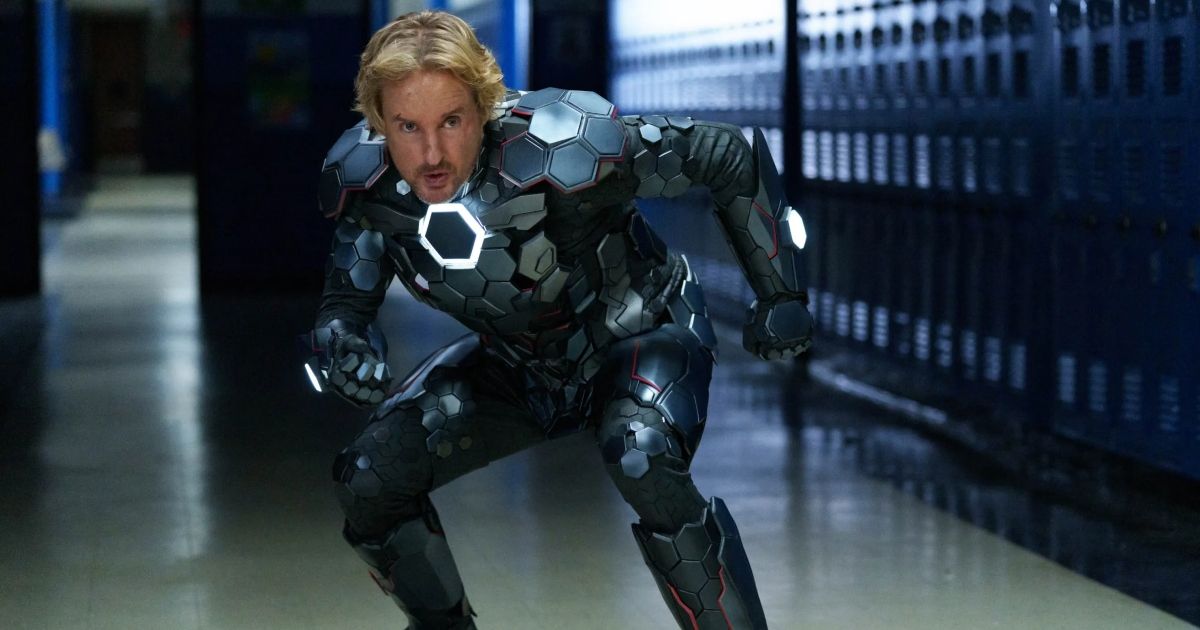
Antoinette Messam admitted it was one of her first concerns when working on Secret Headquarters.
Secret Headquarters
Designers work closely with specialty costume shops to create soft underlayers beneath rigid armor while incorporating hidden closures, cooling systems, heating systems, and access points that make bathroom breaks possible.
When those aren't considered during the design process, filming may need to pause for nearly an hour while multiple crew members carefully remove and then reassemble a costume so an actor can take a bathroom break.
Even underwear is part of the costume design process.
A Career Built on Passion
Asked what advice they would give aspiring costume designers, the panelists offered an honest assessment of the profession.
This is not simply a job, it becomes your life.
Long days are the norm, often stretching well beyond ten hours, and every production demands complete commitment. Without genuine passion for the craft, they warned, the workload can quickly become overwhelming.

Judas and The Black Messiah
After hearing story after story of emergency flights for leather, parking lot costume factories, hidden stunt harnesses, blood continuity, weather disasters, and superhero bathroom engineering, it became clear why.
Costume design isn't just about making characters look good. It's about making the impossible possible, one backup costume at a time.
Want to Hear More?
This panel only scratched the surface of the work being done by the International Society of Black Costume Designers.
The Harder They Fall
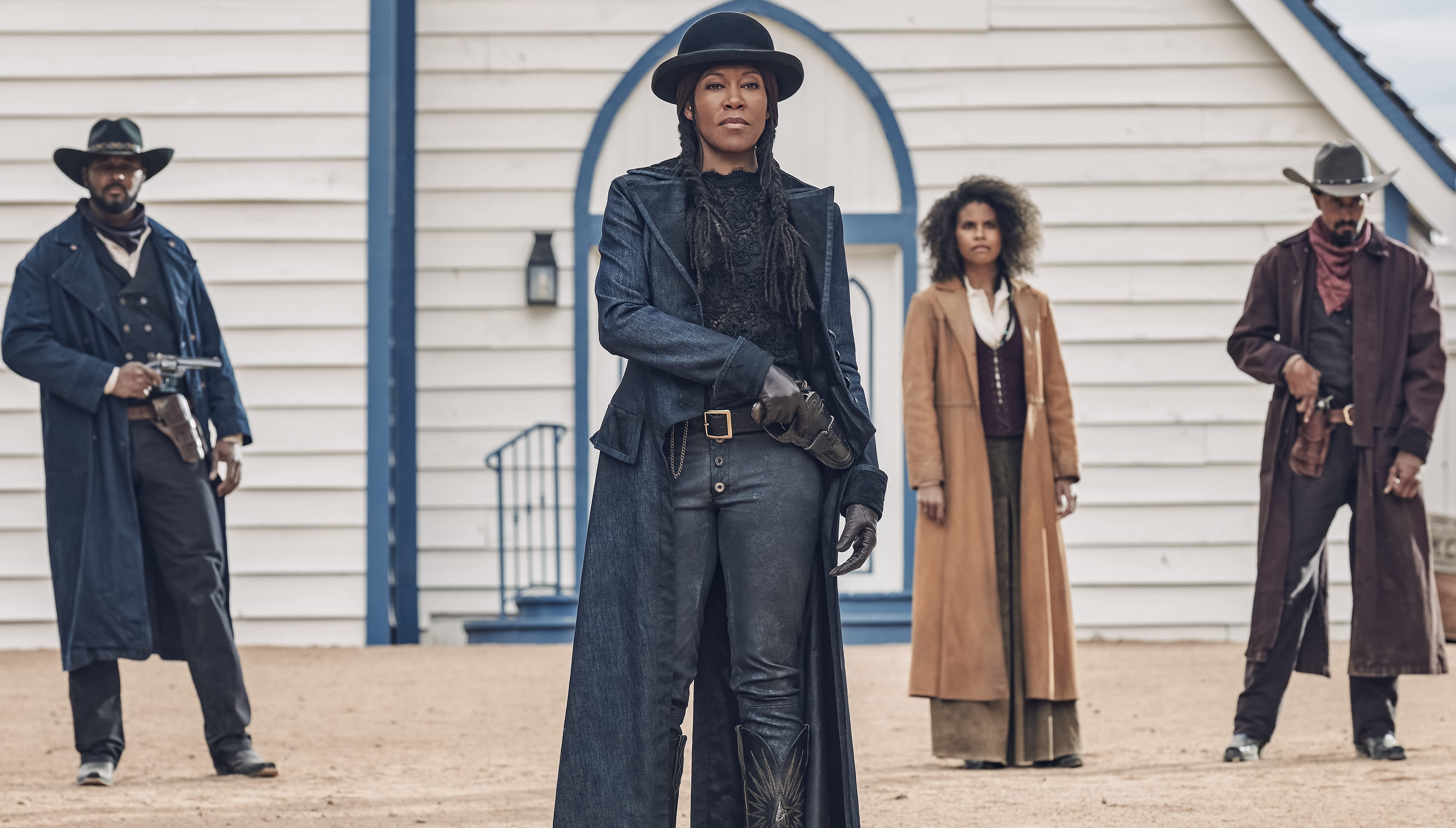
During Comic-Con, I also had the opportunity to sit down with Antoinette Messam for an in-depth conversation about her career, the mission of the ISBCD, and why organizations like it are so important in championing Black costume designers and preserving their contributions to film and television. We also dive deeper into her work on The Harder They Fall, and the realities of leading a costume department on major action films.
Learn more about the ISBCD here.
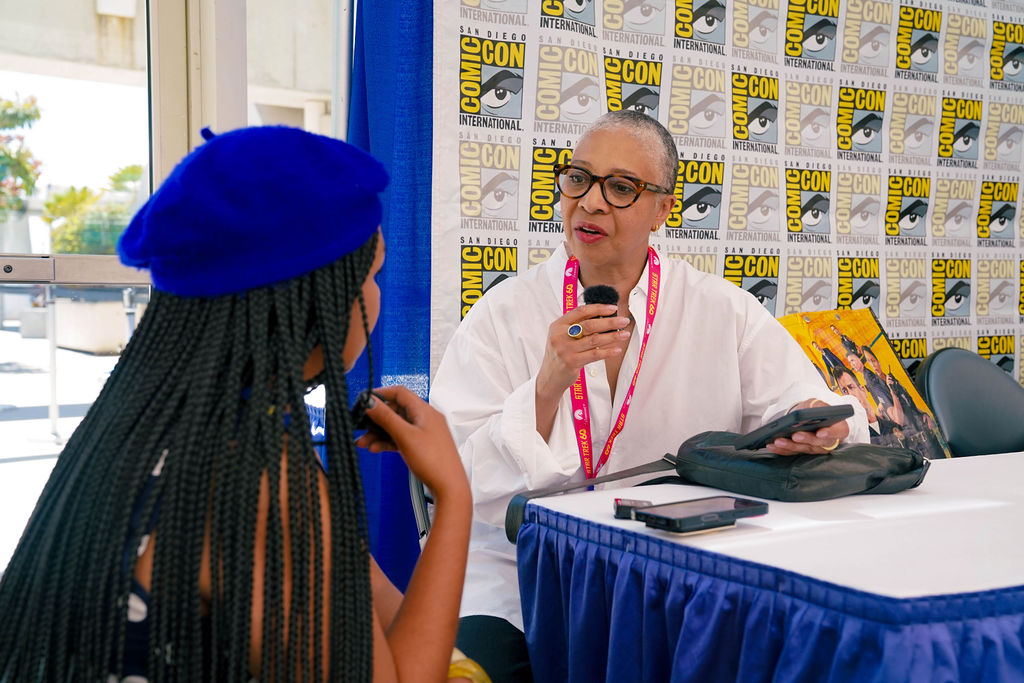
photo credit Kalynn Youngblood
“Hope for a Future” - Celebrating the 60th anniversary with the cast of Star Trek